Pegasus Bay Pinot Noir 2015

Pegasus BayWaipara Valley, New Zealand

Pegasus Bay Pinot Noir 2015

£50.9575cl

  • Free Jersey delivery over £50
  • Click & collect in St Helier
  • CountryNew Zealand
  • RegionWaipara Valley
  • GrapePinot Noir
  • StyleMedium
  • Vintage2015
  • Alcohol13.5%

What it tastes like

Upon release the wine is bright ruby in colour.  On the nose there is a brooding melange of dark cherry, boysenberry, and poached plums, interlaced with spicy notes and a hint of potpourri.  The palate is classically structured and refined, with a plush texture and sumptuous mouthfeel.  Ripe velvety tannins work harmoniously alongside well-balanced acidity, setting up for a long and persistent finish.

Light Full

Lovely with

  • AntipastiSalami · Marinated peppers · Burrata
  • Roast chickenSunday roast · Herb-stuffed thighs
  • DuckPan-roast breast · Confit · Peking duck
  • LambRoast leg · Rack of lamb · Slow shoulder
  • MushroomsWild mushroom risotto · On toast
  • PastaCarbonara · Pesto · Seafood linguine
  • PorkPork belly · Chops · Slow-roast shoulder
  • RisottoMushroom · Seafood · Spring vegetable
  • PoultryChristmas turkey · Guinea fowl · Poussin

The grape

Pinot Noir

Best known in Burgundy, Oregon, New Zealand

The great red grape of Burgundy. Cherry, raspberry, earthy and floral notes, with silky tannins and fresh acidity. Notoriously hard to grow well, but capable of extraordinary elegance, and a key grape in Champagne and English sparkling wine.

Where it's from

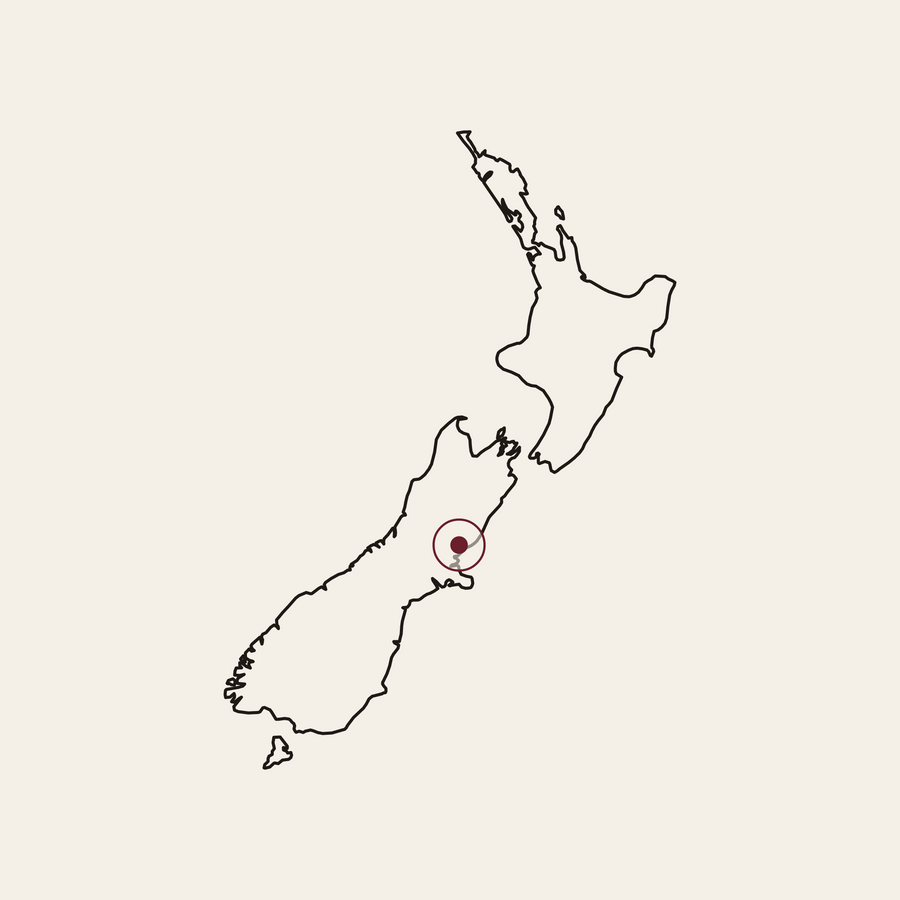
Waipara Valley

New Zealand

North Canterbury, on New Zealand's South Island, a short drive north of Christchurch. Limestone-rich soils, warm dry days and cool nights suit Pinot Noir, Riesling and Chardonnay. The wines combine ripe fruit with bright acidity and a mineral edge. A smaller, characterful alternative to Marlborough.

Waipara Valley

Meet the producer

Pegasus Bay

Waipara Valley, New Zealand

Pegasus Bay is a family-owned estate in the Waipara Valley, run by the Donaldson family, pioneers in North Canterbury winemaking. Pinot Noir follows traditional Burgundian methods. Love Wine stocks several vintages, plus Riesling including a late-picked style.

More from Pegasus Bay →

The story behind it

 The Donaldson Family have been seriously involved in viticulture and winemaking for over 40 years. Founder Ivan Donaldson planted the first Canterbury vineyard in 1976 and went on to establish Pegasus Bay in 1986 with his wife Christine.  It is a true family business, with all four of their sons and two spouses involved, managing various aspects.  Traditional Burgundian winemaking methods were used to make this wine. They picked the various blocks at different stages, depending on their maturity, aiming for a range of red and dark fruit flavours. Approximately one third of the grapes were put at the bottom of the fermentation vats as whole bunches, with the balance being destemmed on top, retaining as many whole berries as possible. The vats were kept cool over the next few days to help extract the soft, silky tannins from the Pinot Noir skins. After approximately a week the must started to ferment naturally. During fermentation, the floating cap of grape skins was gently plunged twice daily. When the fermentation finished, the grape remnants were left to steep in the wine for up to a week to help extract a different range of tannins that add structure and depth. The exact duration of this period was determined by daily tasting. Subsequently the wine was gently pressed off and put into oak barriques (40% new) from selected artisan Burgundian coopers. In the summer after harvest, when the weather warmed, the wine underwent a natural malo-lactic (secondary) fermentation. After maturing for 18 months in these barriques, the batches made from the many different plots and clones of Pinot were carefully blended in varying portions to produce the most complex and balanced wine possible.  

What customers say

Delivery & collection

Free delivery across Jersey on orders over £50 (£10 below that). We aim to deliver the next working day. Prefer to pick up? Choose click & collect at checkout.

Each year the Donaldson family release a small parcel of museum vintages to showcase the ageability of these brilliant wines. The wine is made up of a dozen different clones of pinot noir and often these grow intermingled throughout various blocks. The vines, many of which are nearly 30 years old and on their original roots, grow on a series of north facing, gradually descending terraces.

More about this wine

CRITICS

95/100 - NZ Pinot Noir Tasting among 1 of 7 rated as “Outstanding” - Decanter magazine, UK


96/100
- “…Appealing, ripe and quite concentrated pinot noir …A supremely elegant wine with an intriguing rustic edge”- Bob Campbell MW, bobcampbell.nz, NZ

96/100 - #1 wine under $80 “ … enticingly refined and elegantly understated … a masterfully crafted expression of a remarkable site” - Tyson Stelzer, Australian & New Zealand Wines of the Year 2017

Tasting Notes

The upfront aromas and flavours suggest raspberry, pomegranate, black cherry, purple plum, chocolate and spice. These overlie savoury hints of barbecued meats, grilled mushrooms and black olive tapenade. It is richly textured and mouth filling with powerful but velvety tannins that flow evenly through the palate, helping to draw out the lingering aftertaste. While ready to drink on release it can be expected to cellar well and evolve gracefully for many years.

HARVEST AND WINEMAKING

A mild spring was followed by a sunny summer and a lingering dry autumn. It was a perfect growing season with enough warmth to produce optimal ripeness but it was not too hot to destroy varietal purity or freshness.

We use traditional Burgundian winemaking methods. We picked the various blocks at different stages during late April and early May, depending on their maturity. Most of the grapes were destemed and put into small fermenting vats, retaining as many whole berries as possible. Ten percent of whole bunches were also added to these vats. They were kept cool over the next few days to help extract the soft, silky tannins from the pinot noir skins. After this time the grapes warmed enough to start fermenting. During fermentation the floating cap of grape skins was twice daily gently pushed back under the wine by hand to keep it moist and healthy. When the fermentation finished the vats were sealed and the grape remnants were left to steep in the wine for up to a week to help extract a different range of tannins that add structure and depth. The duration of this period was determined by daily tasting. Subsequently the wine was gently pressed off and put into oak barriques (30% new) from selected artisan Burgundian coopers. In the summer after harvest, when the weather warmed, the wine underwent malo-lactic (secondary) fermentation. Both this and the original fermentation phase were completely natural and without added micro-organisms. After maturing for 18 months in these barriques the batches made from the many different plots of pinot were carefully blended in varying portions to produce this wine.

the vineyard and the vines

We have about a dozen different clones of pinot noir and often these grow intermingled throughout our various blocks. The vines, many of which are nearly 30 years old and on their own roots, grow on a series of north facing, gradually descending terraces. While the site is warm during the day it is cool at night. This allows the fruit to ripen fully but slowly and to retain good acid levels of natural acidity. The drainage is helped by stones intermingled with the soil.